Kale

Kale

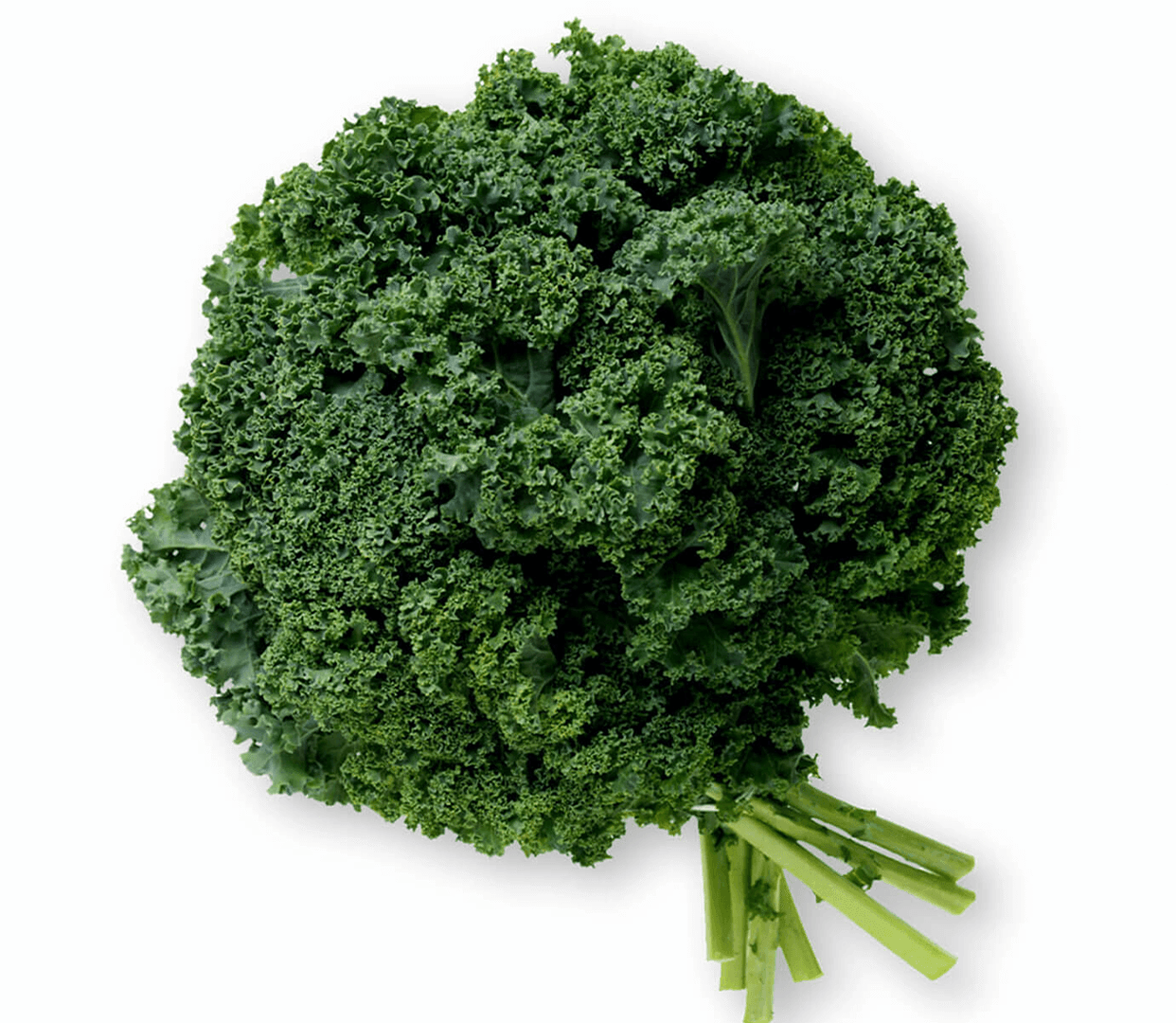
Kale is widely recognised as one of the most nutritionally complete leafy greens, delivering exceptional concentrations of Vitamins K, A, and C alongside powerful antioxidants. Its hearty texture makes it versatile across raw, cooked, and processed applications. Watania Farms produces kale in controlled hydroponic conditions in Malindi, Kenya, ensuring uniform leaf size, dark colour, and consistent quality for premium retail and export supply chains.

GMO Free Export Grade Hydroponic Year-Round
Watania Farms — Kenya

Kale
Nutrition
Facts

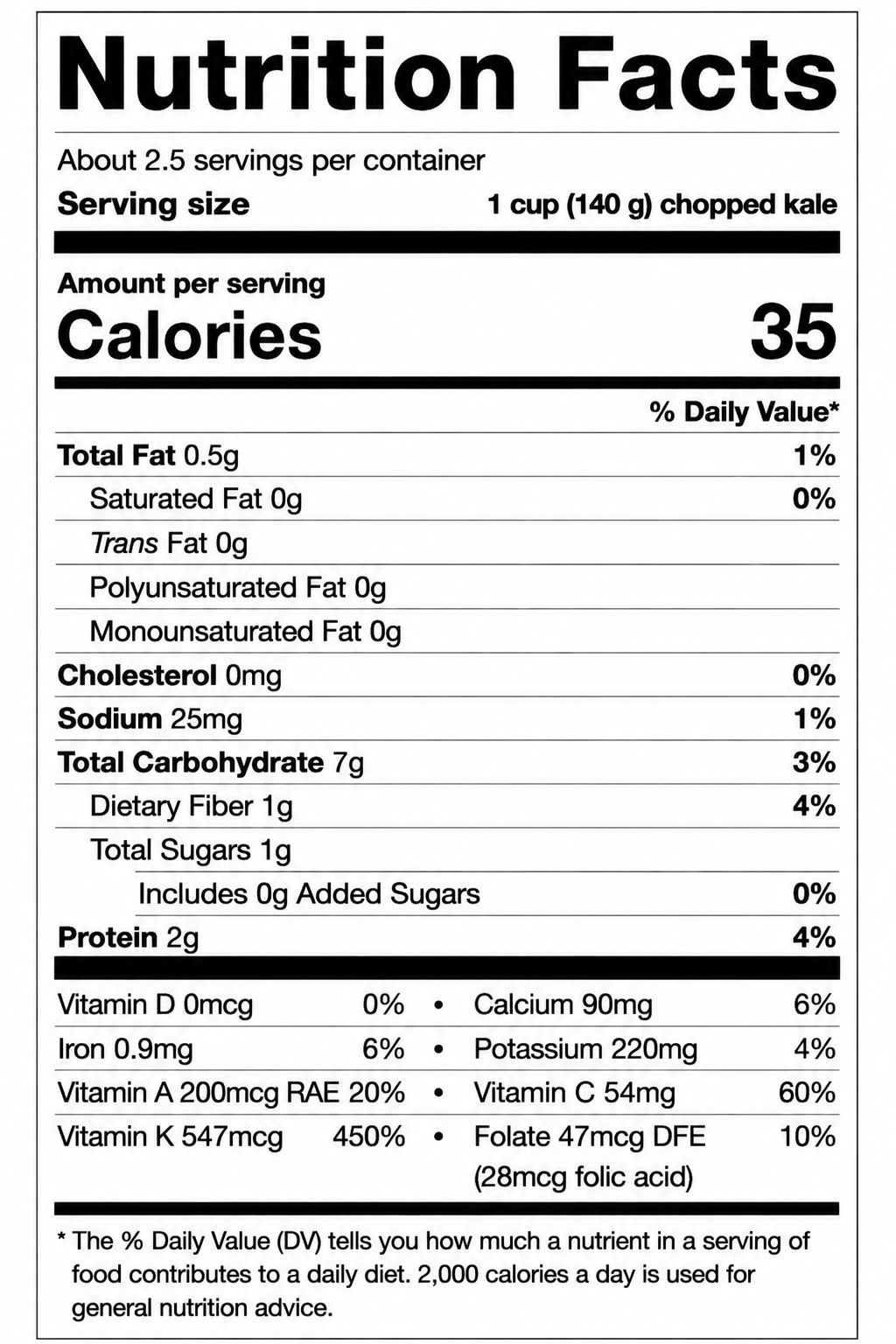
  • The highest natural source of Vitamin K of any leafy green
  • Exceptional levels of Vitamin A and Vitamin C
  • Very high in Antioxidants (quercetin, kaempferol)
  • Good source of Calcium and Iron
  • Contains Omega-3 fatty acids (ALA)
  • High in Fibre and Sulforaphane
Kale Nutrition Facts
Kale Growing

Growing
Information

Kale is a slow-growing brassica that benefits from our controlled hydroponic environment, which prevents the pest and disease pressure that affects field-grown kale. Plants mature in 55-70 days and can be harvested by the outer-leaf method, allowing the plant to continue producing for multiple harvest cycles – improving yield efficiency and reducing waste.

Usage Ideas

Kale is exceptionally versatile - its robust texture handles raw preparations, long cooking, and blending equally well.

Kale Chips

Tear into pieces, toss with olive oil and sea salt, and bake at 150C until crisp for a healthy, addictive snack.

Smoothies & Juices

Remove the tough ribs, blend with apple, ginger, and cucumber for a classic green detox juice.

Sauteed Kale

Wilt in olive oil with garlic and red pepper flakes, then finish with lemon juice as a side dish.

Kale Salad

Massage raw kale with lemon and olive oil to soften the texture, then toss with roasted chickpeas and tahini.

Frequently Asked Questions

Massaging raw kale with lemon juice and salt breaks down the cell structure and significantly reduces bitterness. Blanching also removes bitterness while retaining nutrition.

Yes. Hydroponic kale can be more nutritious because nutrient delivery is precise, and the plant is not under stress from pests, drought, or poor soil conditions.

Yes. Blanched and frozen kale is a common export format. We can supply fresh kale for processing into frozen products. Please contact our team for supply options.

At 2–4°C with proper airflow, kale maintains quality for 14–21 days post-harvest — one of the most durable leafy greens for cold chain distribution.
Product Details
Category Leafy Greens
Standard Export Grade
GMO Status GMO Free
Growing Method Controlled Hydroponics
Origin Malindi, Kenya
Availability Year-Round

GMO Free Export Grade Hydroponic Year-Round
Request Quotation Back to Leafy Greens

Ready to Source Our Kale?

Contact our export team to discuss volume requirements, packaging options, and supply timelines.

Your Cart
0 items

Your cart is empty.
Add some fresh produce!

Total KSh 0
View Cart